Cars in the Business: Personal Cars
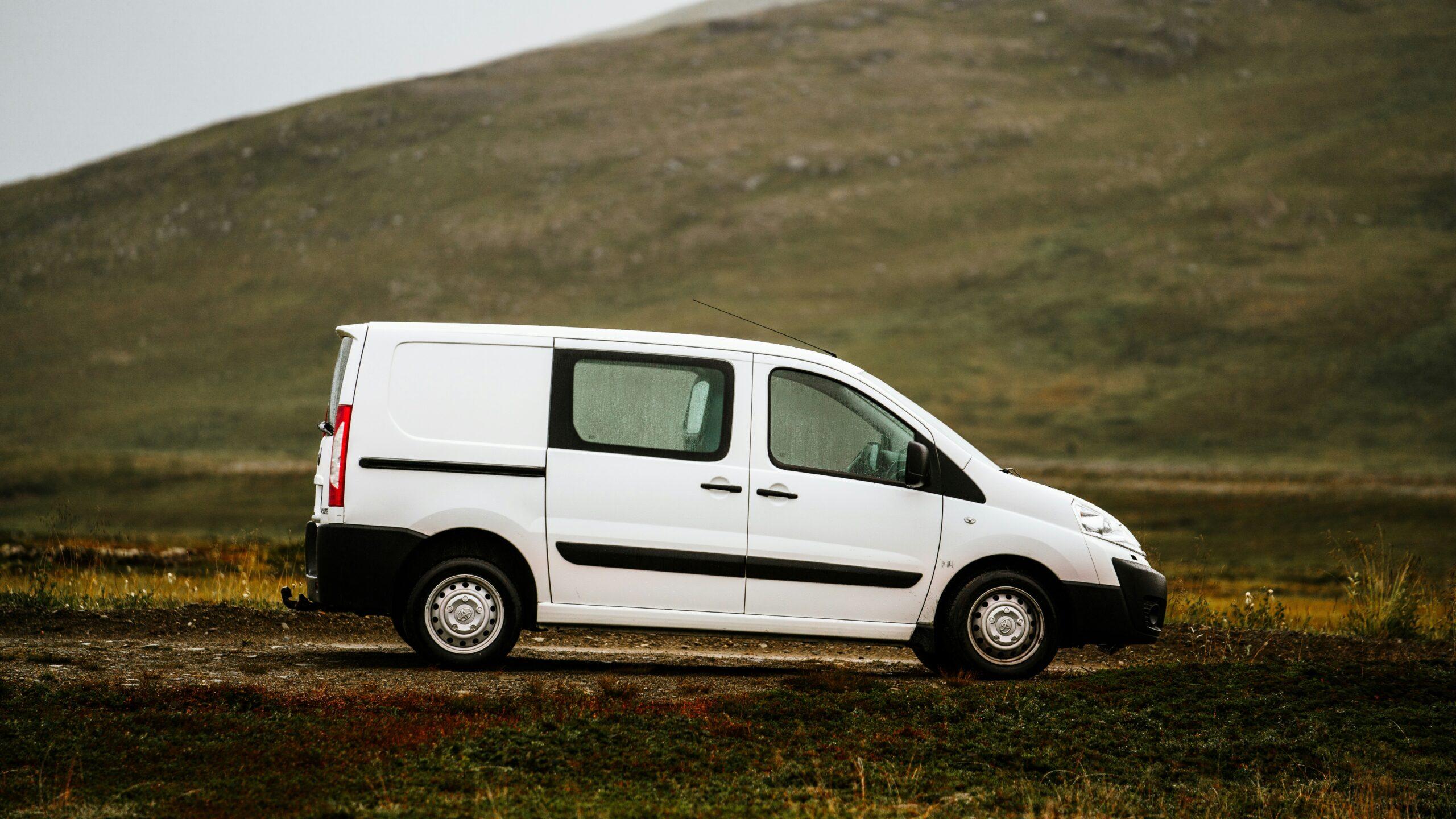
With most types of business, you will need transportation for business-related journeys such as visiting customers or going to networking events. Some businesses may purchase a van to do this, but sometimes it is much more affordable to just use your own car.
Using a car for your business can quickly become one of your bigger running costs. The good news is that you can usually claim tax relief on those costs, either by claiming a share of your actual expenses or by using HMRC’s mileage rates.
Method 1: Actual costs and capital allowances (sole traders only)
This method is for sole traders / self-employed people who use their own car for business. You:
- Keep records of all car running costs (fuel, insurance, repairs, servicing, MOT, road tax, etc.).
- Work out a reasonable business-use percentage (for example 50% business, 50% private) based on your actual use.
- Apply that percentage to your total running costs to get the allowable business expense.
You do the same with capital allowances on the car. The car goes into a capital allowances pool, you calculate the annual allowance, then restrict it to the business-use percentage.
Capital allowances on cars depend on CO2 emissions:
- New and unused cars with zero emissions (or electric) can qualify for 100% First Year Allowance (FYA).
- New and unused cars with emissions between 1g/km and 50g/km go into the main rate pool (14% writing-down allowance per year).
- Cars with emissions over 50g/km go into the special rate pool (6% per year).
You cannot claim Annual Investment Allowance (AIA) on cars. These thresholds and rates can change, so always check the latest HMRC guidance:
https://www.gov.uk/government/publications/capital-allowances-for-business-cars/capital-allowances-for-business-cars
For limited companies, the car would usually be a company asset, and different rules apply (including possible benefit-in-kind charges on directors/employees), which is beyond the scope of this post.
Method 2: Mileage allowance
This method is simpler and can be used by both sole traders and limited companies when a person uses their own car for business journeys.
You:
- Record only your business miles (for example, trips to customers or suppliers).
- Do not include normal commuting from home to your regular place of work, as this is not business travel.
- Multiply your annual business miles by HMRC’s approved mileage rates for cars and goods vehicles:
- 55p per mile for the first 10,000 business miles in the tax year.
- 25p per mile for any business miles above 10,000.
For sole traders, this is called simplified expenses for vehicles. For companies, paying these rates to employees/directors is known as Approved Mileage Allowance Payments (MAPs).
If you use the mileage/simplified expenses method for a particular vehicle:
- You cannot also claim separate running costs (fuel, insurance, repairs, etc.) or capital allowances on that vehicle.
- You must continue to use this method for that vehicle for as long as you use it in the business – you can only change method when you change the car.
HMRC’s simplified expenses guidance (for the self-employed) is here:
https://www.gov.uk/simpler-income-tax-simplified-expenses
And the vehicles section is here:
https://www.gov.uk/simpler-income-tax-simplified-expenses/vehicles
Choosing a method
You can choose the method that gives you the best result per vehicle, but once you have picked the mileage/simplified expenses route for that car, you are locked into it for that car until you replace it. Actual costs plus capital allowances can work well if your running costs and purchase price are high, while the mileage method is often easier to keep records for and simpler to apply.
If you would like assistance or advice regarding the above, or general help with completion of your accounts or tax returns, please do not hesitate to contact us.

Adam is our managing director and a fully AAT-certified accountant. Adam founded Short Accounting in 2014 with the aim of helping business owners with their accounting and tax needs so that they can focus on growing and managing their businesses.
Over the years Adam has helped thousands of SMEs, sole traders, limited companies and more with the full range of accounting services. He’s a firm proponent of adopting the latest in accounting tech to help streamline processes to ensure that all of our clients get the best service possible.